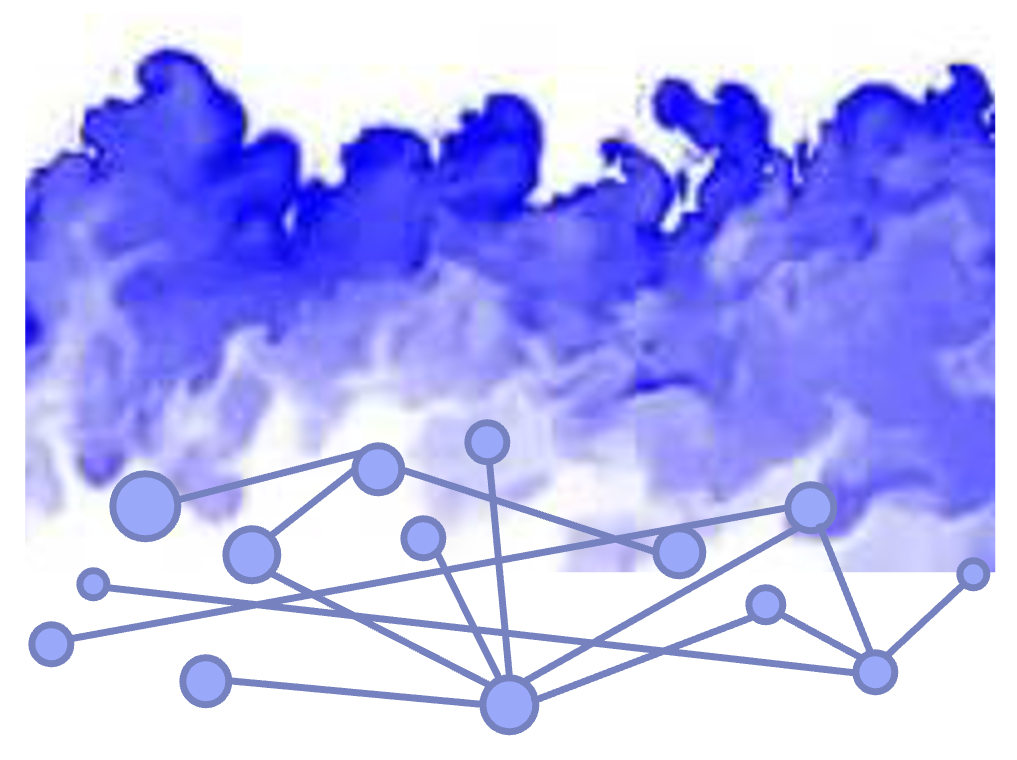
Exploring the complexities of fluid dynamics and turbulence, our laboratory is committed to advancing our understanding, modelling, and simulation capabilities of turbulent flows and its vast applications in Aerospace. Some of the research problems we are currently focusing on are:
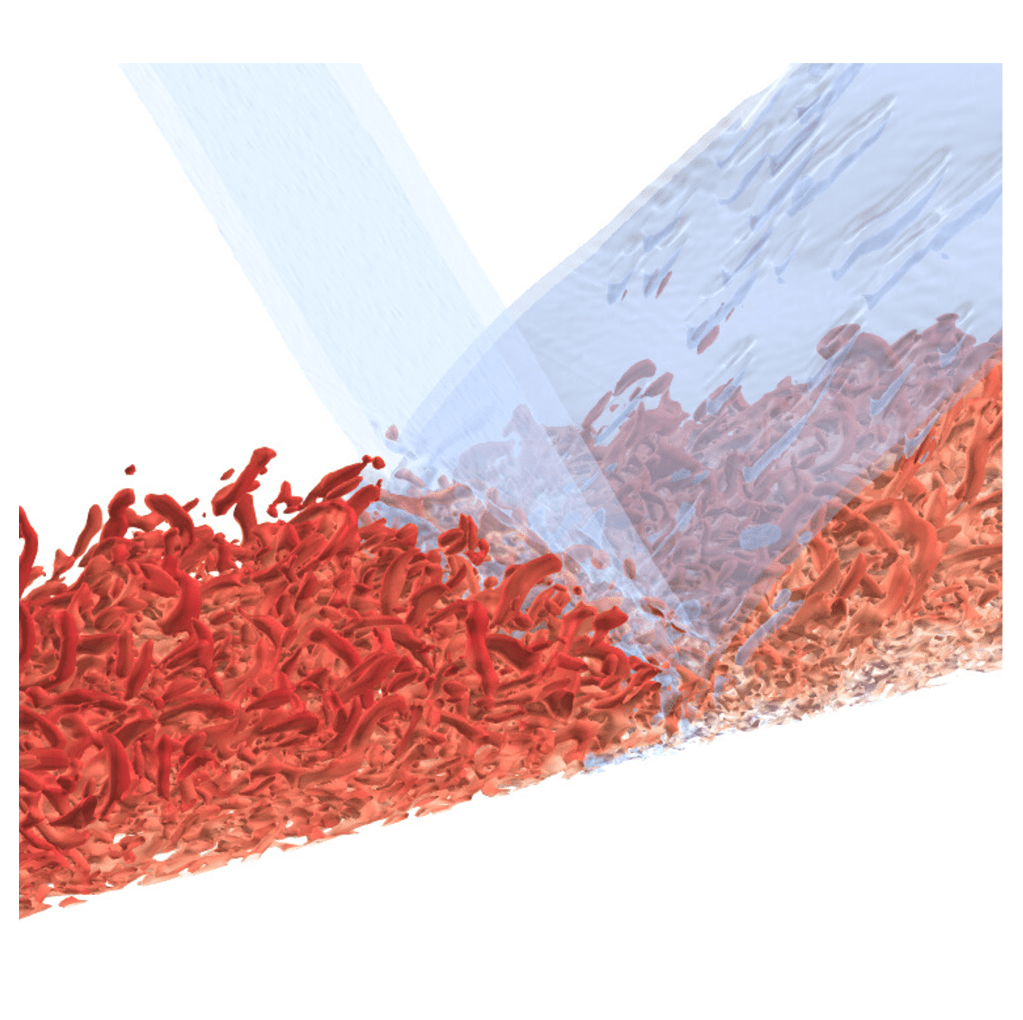
Shock-wave Turbulent Boundary Layer Interaction
We study SWTBLI of an impinging oblique shockwave on a supersonic turbulent boundary layer by conducting Large-Eddy Simulations (LES). The aim is to investigate the resulting unsteadiness and the induced separation characteristics particularly in the context of a scramjet engine intake.
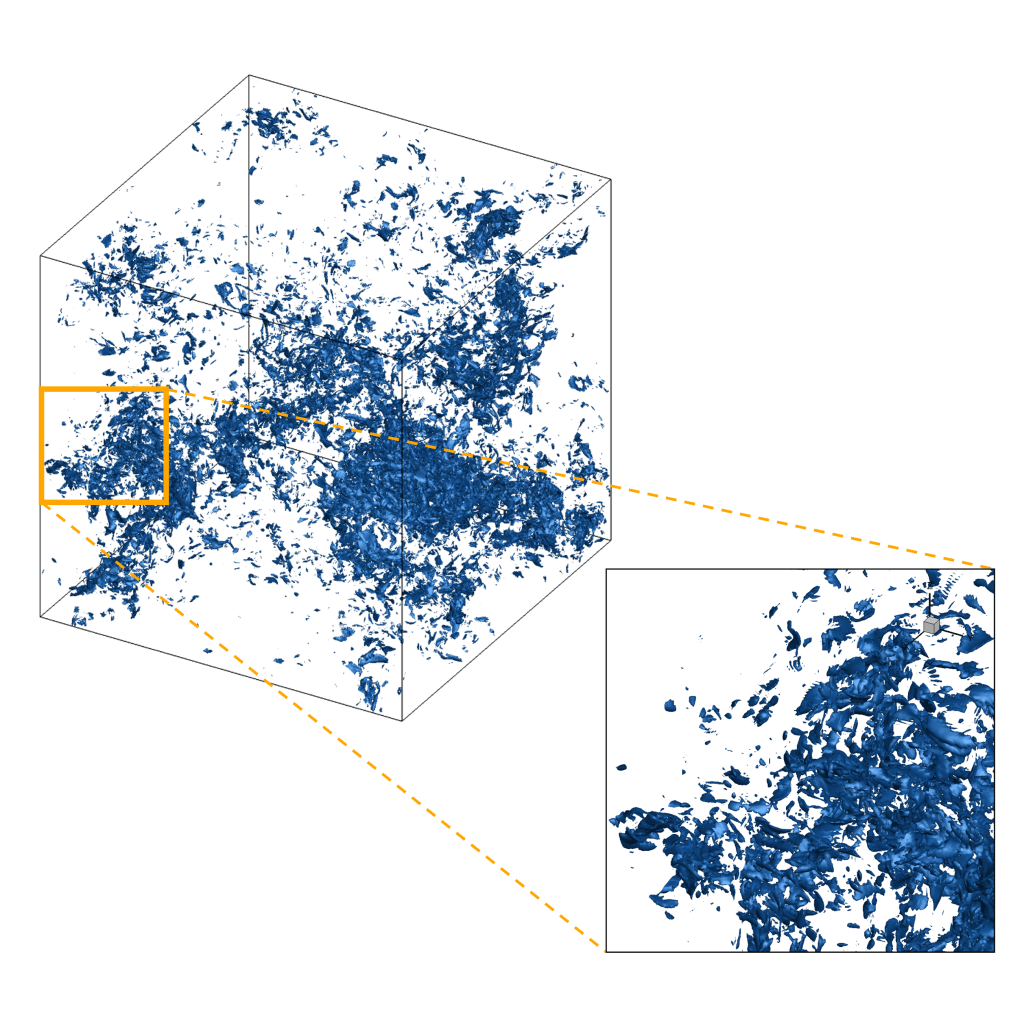
Direct Numerical Simulations of Isotropic Turbulent Flows
We numerically simulate statistically stationary and fully-developed incompressible isotropic turbulent flows, resolving all physical scales of motion, by conducting massively parallel high-performance computations. Specifically, forced isotropic turbulent flows are simulated to study the inherently complex and intricate nature of turbulence small scale dynamics.

Direct Numerical Simulations of Wall-bounded Turbulence
We conduct high-fidelity simulations of fully developed turbulent channel flow to resolve all relevant turbulence scales, using a novel domain decomposition strategy that enables high clustering of grid points in the strong shear regions near wall and an influence matrix method that reduces the global communication requirement, significantly bringing down the simulation time.
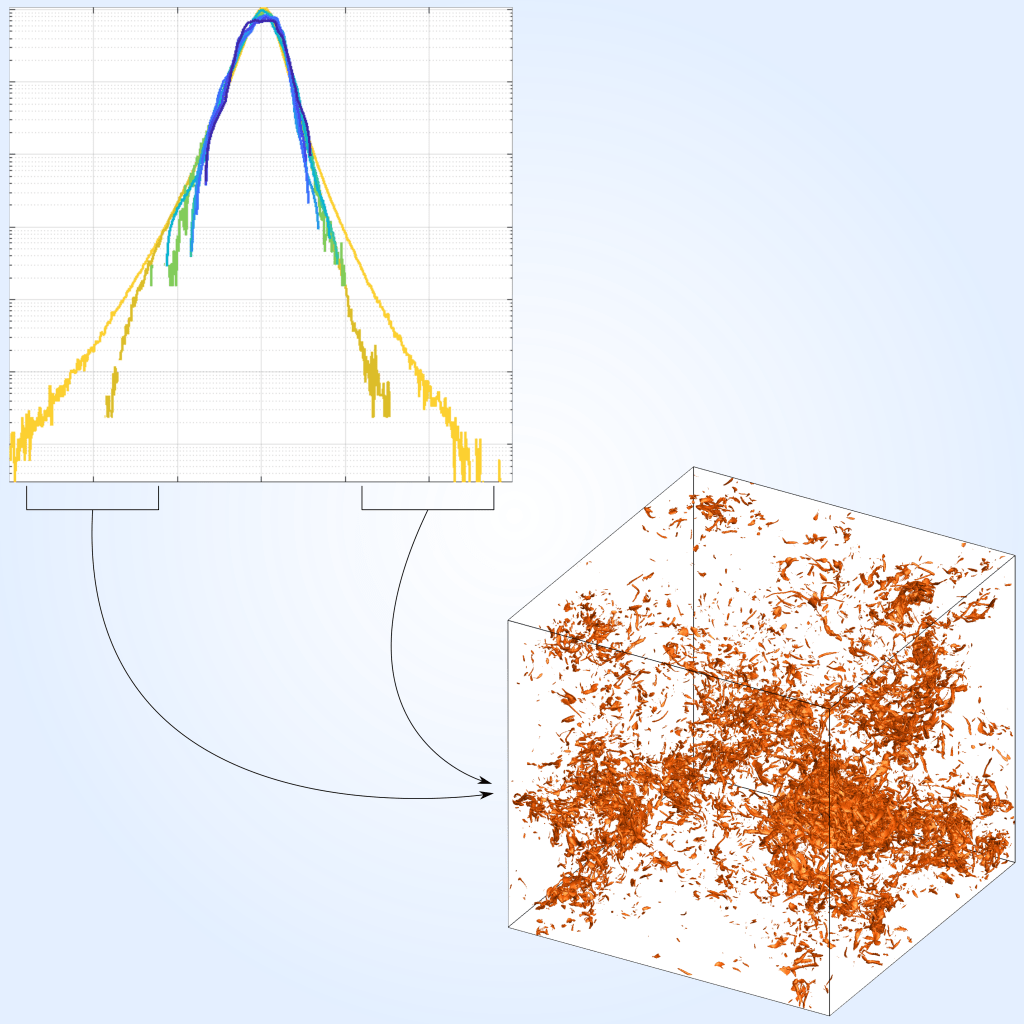
Turbulence Intermittency through the lens of Information Theory
Turbulence intermittency, marked by the occurrence of localised extreme events in a turbulent flow, is a critical phenomenon captured by Direct Numerical Simulations (DNS) but difficult to quantify precisely. We characterise intermittency at both inertial and dissipative scales of isotropic turbulent flows and turbulent channel flow by using information-theoretic measures.
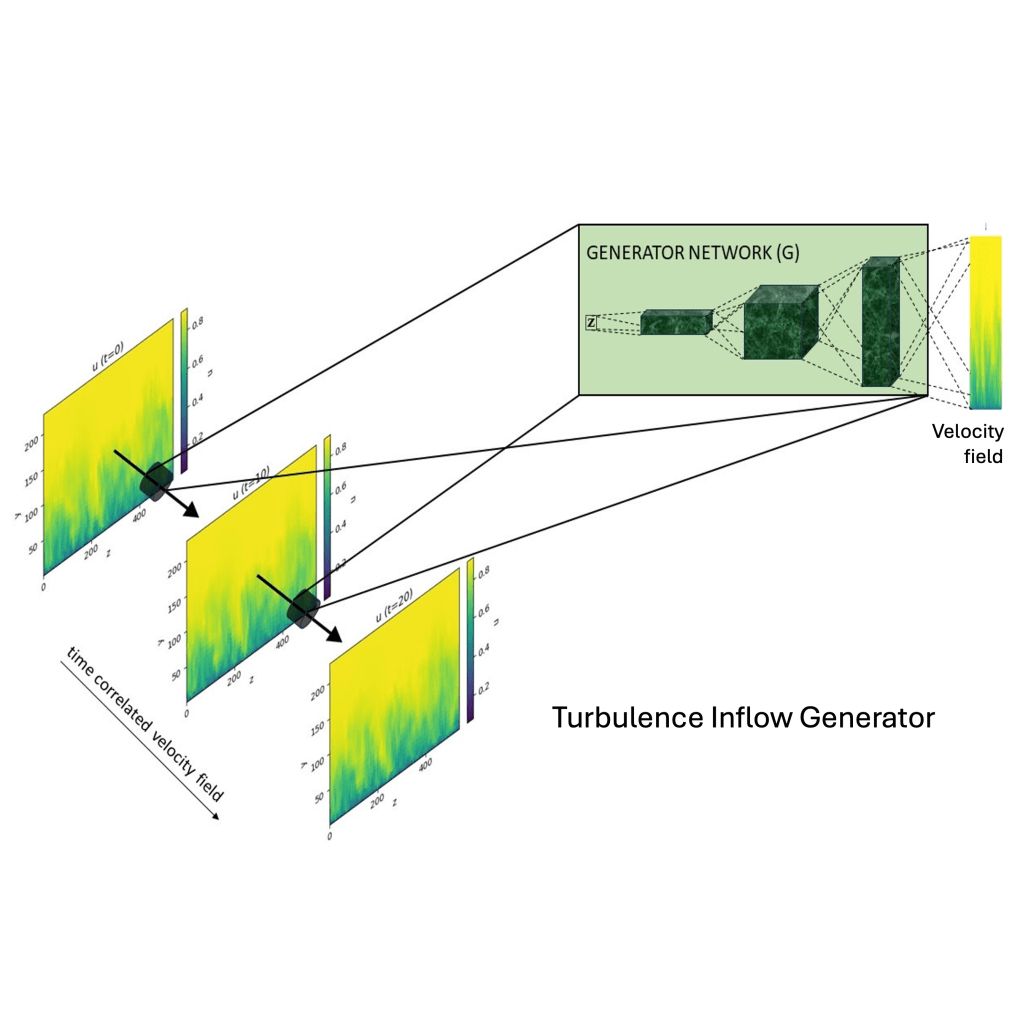
Turbulence Inflow Generation using Machine Learning for Accelerated Simulations
Wall-bounded turbulent flows are extremely expensive to simulate while resolving most of its near-wall scales, making such simulations impractical for many real-world applications. We develop a generalisable model using Generative Adversarial Networks that generates turbulent boundary layer fields with accurate spatio-temporal dynamics, to be used as realistic inflow boundary conditions that can significantly accelerate turbulent flow simulations.
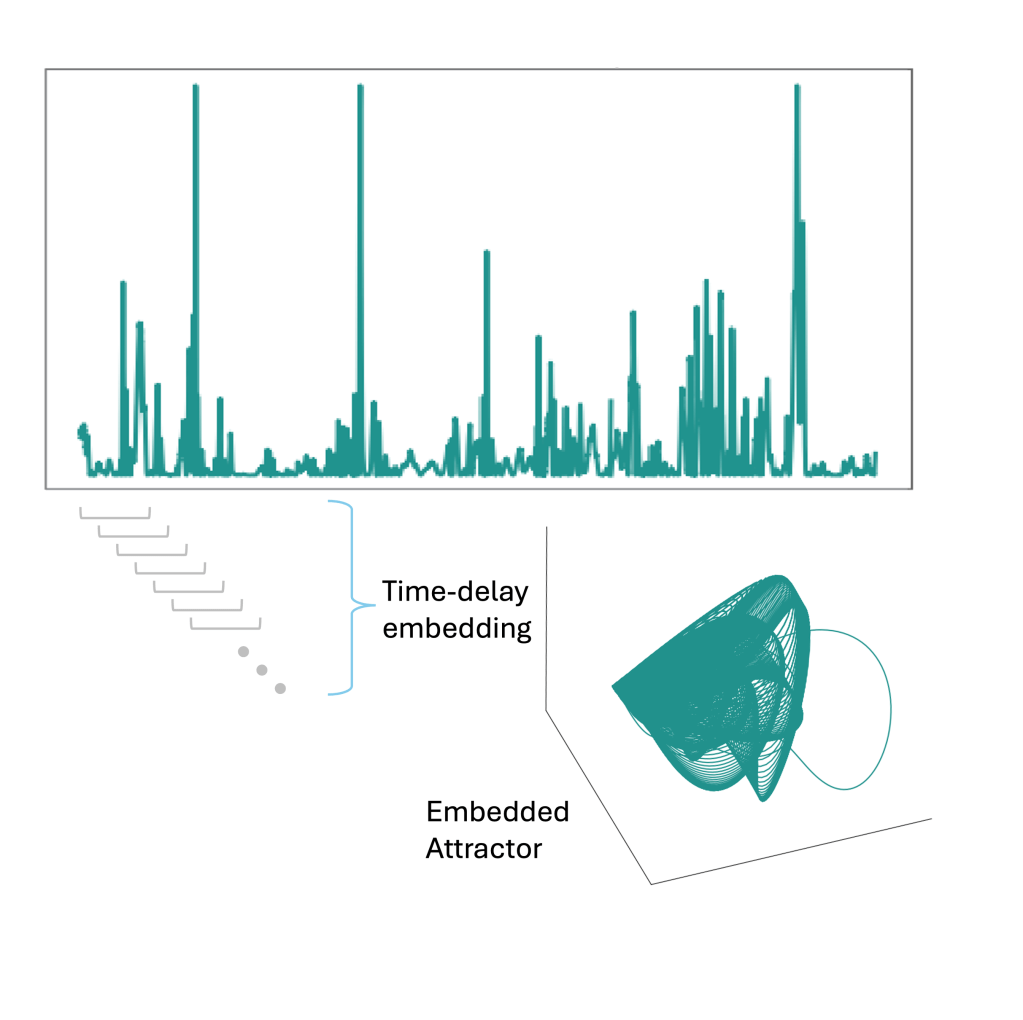
Predicting Extreme Events in Turbulent Flows
Potential precursors to the occurrence of extreme events in a turbulent flow are identified using data-driven methods rooted in nonlinear dynamical systems. We do so by representing turbulence dynamics as a nonlinearly forced linear system, modeled based on time-delay embedding of intermittent signals recorded in turbulent flows.
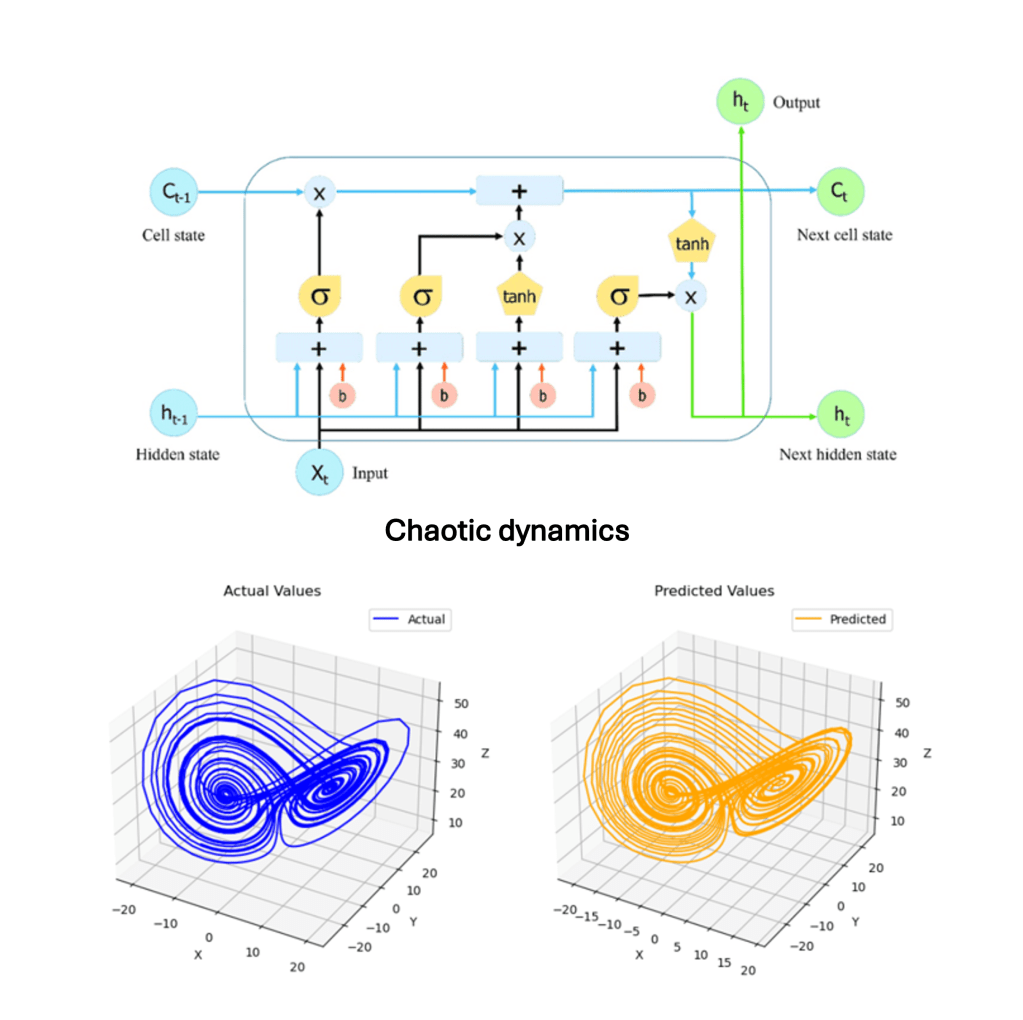
Physics-based Machine Learning model of Chaotic Dynamics of Turbulence
We develop high-accuracy and generalisable data-driven models that capture the chaotic nature of Lagrangian dynamics of small scales in turbulent flows using Machine learning techniques. Such models will help realise high-fidelity turbulent flow simulations at low computational effort enabling accurate design and control of diverse engineering systems.
Future Directions
Looking ahead, our lab is poised to explore new frontiers in turbulence research, particularly within the field of Aerospace. Our future research projects will be centred on enhancing the prediction and control of turbulent flows which are key to improving the performance and safety of Aerospace vehicles.
 TPCRL
TPCRL 